



Hit enter to search or ESC to close
Close Search
Aerodynamiks AcademyAerodynamiks Academy
Menu
  • Home
  • About Us
  • Our Programs
    • Featured Courses
      • Diploma in Inflight Management
      • Diploma in Airport Management
      • Drone Pilot Training
      • Hospitality Services
    • Pilot Training
      • CPL Ground Classes
      • Cadet Entrance Prep
      • Airline Entrance Prep
      • Airline Transport Pilot License
      • Flight Training
      • Type Rating
  • Admissions
  • Blogs
  • Campus & Facility
  • Degree Courses
    • BSc CAPT
    • BSc CAFD
  • Brochures
  • Luxuria
  • Contact Us
Aerodynamiks Academy
Category

Blog

When Nature and Aviation Collide: Understanding and Handling Bird Strikes
Blog

When Nature and Aviation Collide: Understanding and Handling Bird Strikes

How to Handle Guest Complaint – Hospitality
Blog

How to Handle Guest Complaint – Hospitality

How to Handle Difficult Passengers
Blog

How to Handle Difficult Passengers

How does Auto Pilot Fly an Aircraft
Blog

How does Auto Pilot Fly an Aircraft

What are the Perks of a Cabin Crew Profession
Blog

What are the Perks of a Cabin Crew Profession

Breath Analyzer
Blog

Breath Analyzer

Flight Delay
Blog

Flight Delay

How To Become A Pilot
Blog

How To Become A Pilot

How To Become A Pilot Without Science Background
Blog

How To Become A Pilot Without Science Background

How to apply for DGCA Class 1 Medicals
Blog

How to apply for DGCA Class 1 Medicals

  • Previous
  • 1
  • 2
  • 3
  • Next

Recent Posts

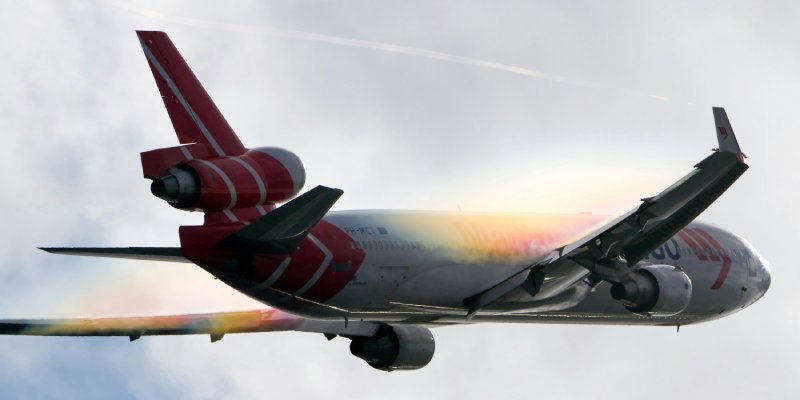
How Pilots Know they're entering Turbulance
admin·September 2, 2025·0 comments
Blog

Imagine you’re cruising at 35,000 feet…

Continue Reading

How airplanes carry the world's most important packages and keep our global economy flying high

admin·August 4, 2025·0 comments
Blog

Have you ever wondered how your…

Continue Reading

What are the responsibilities of a cabin crew supervisor

admin·July 25, 2025·0 comments
Blog

The responsibilities of a cabin crew…

Continue Reading

Arming and Disarming Aircraft Doors: The Critical Safety Procedure Every Passenger Should Understand

admin·July 9, 2025·0 comments
Blog

Have you ever noticed cabin crew…

Continue Reading

Ever Wonder How Airlines Get Their Planes?

admin·June 27, 2025·0 comments
Blog

Cabin crew members face unique challenges…

Continue Reading
Quick links
  • Home
  • About Us
  • Campus & Facility
  • Admissions
  • Blogs
  • Brochures
  • Contact Us
Featured Courses
  • Diploma in Inflight Management
  • Diploma in Airport Management
  • Drone Pilot Training
  • Hospitality Services
Pilot Training Courses
  • CPL Ground Classes
  • Cadet Entrance Prep
  • Airline Entrance Prep
  • Airline Transport Pilot License
  • Flight Training
  • Type Rating
Degree Courses
  • BSc CAPT
  • BSc CAFD

Address  : 2nd Floor, R.N. 17, Hingu Bhavan, Sahar Road, Andheri East, Mumbai Suburban, Maharashtra, 400069

Contact No : +91 8879748320

© 2024 Aerodynamiks Academy | developed by WebGyor Technologies | Privacy Policy

Close Menu
  • Home
  • About Us
  • Our Programs
    • Featured Courses
      • Diploma in Inflight Management
      • Diploma in Airport Management
      • Drone Pilot Training
      • Hospitality Services
    • Pilot Training
      • CPL Ground Classes
      • Cadet Entrance Prep
      • Airline Entrance Prep
      • Airline Transport Pilot License
      • Flight Training
      • Type Rating
  • Admissions
  • Blogs
  • Campus & Facility
  • Degree Courses
    • BSc CAPT
    • BSc CAFD
  • Brochures
  • Luxuria
  • Contact Us

Air Navigation: Mastering the Skies

Air navigation is a critical skill every pilot must master, involving planning and directing the movement of an aircraft from one point to another, ensuring a safe and efficient journey. This includes careful flight planning, adherence to regulations, and constant monitoring and adjusting of the flight path. As a fundamental aspect of pilot training, air navigation teaches pilots how to navigate the skies, avoiding hazards and staying on course to reach their destination safely.

It’s not just about flying and reaching your destination—it’s about flying smart and reaching your destination safely and comfortably

×

Aviation Meteorology: Understanding the Weather for Safe Skies

Meteorology is a crucial skill every pilot must master. It’s the study of the Earth’s atmosphere, providing pilots with the knowledge they need to navigate safely through ever-changing weather conditions. This expertise enables pilots to make informed decisions, ensuring safer and more efficient flights, no matter what the sky throws at you.

×

Air Regulation: The Rules of Safe Skies

Air regulation involves understanding the rules and guidelines that keep aviation safe, efficient, and secure. These regulations cover everything from aircraft operations and maintenance to air traffic control and pilot certification. Mastering these rules ensures that pilots can navigate the skies with confidence, knowing they’re following the necessary protocols to guarantee safety at every step of the journey.

×

Technical General: Mastering the Mechanics of Flight

In Technical General, we dive into the essential technical aspects of aviation. Think of this as the “behind-the-scenes” of aviation. From how air flows around the aircraft (aerodynamics) to understanding engines and systems, this subject covers it all. Plus, you’ll learn about the latest aviation tech—because staying updated isn’t just smart, it’s necessary to fly safely and efficiently.

×

Technical Specific: Getting to Know the Aircraft Inside and Out

Technical Specific focuses on the detailed study of a particular aircraft eg Cessna C-152, Diamond DA-42 etc. This allows students to understand the intricate systems, mechanics, and components of the aircraft they will be flying. Mastery in this area ensures that pilots can operate their aircraft with precision and safety.

×

RTR: Effective Communication for Safe Skies

Radio Telephony Restricted (RTR) teaches pilots the vital communication techniques and physiology needed for seamless air-to-ground and air-to-air exchanges while flying. Effective communication with air traffic control is crucial for maintaining safety and efficiency in the skies. This training ensures that pilots can handle radio communications with clarity, keeping flights running smoothly.

×

Request Information

    Preferred Location*MumbaiMangaloreMoodbidriOnline

    Preferred Location*MumbaiMangaloreMoodbidriOnline

    Preferred Location*Mangalore

    Preferred Location*Mangalore

    Preferred Location*MumbaiOnline

    Preferred Location*Mumbai

    Preferred Location*Mumbai

    Preferred Location*MumbaiOnline

    Preferred Location*Mangalore

    Preferred Location*Mangalore

    ×

    English

    Master the universal language of the skies with confidence and clarity.

    ×

    Grooming

    Polish your appearance and embrace the cabin crew charm.

    ×

    Personality Development

    Bring out the best version of yourself—on the ground and in the air.

    ×

    Customer Relationship Management

    Learn to create unforgettable passenger experiences through real-world scenarios.

    ×

    Cabin Crew Management

    Dive into the art of teamwork, leadership, and inflight excellence.

    ×

    Mock Interviews

    Ace your cabin crew interview with practice and poise.

    ×

    Communication Skills

    Master the art of clear, effective communication to connect with passengers, co-workers, and clients in every situation.

    ×

    Grooming Skills

    Polish your appearance and presentation to meet the industry’s highest standards and make a lasting impression.

    ×

    Personality Development

    Boost your self-confidence, develop a positive attitude, and learn how to showcase your best self in any professional environment.

    ×

    Customer Relationship Management

    Learn how to build strong, lasting relationships with customers, ensuring their satisfaction and loyalty.

    ×

    Airport Ground Staff Management

    Get trained to efficiently manage ground operations and ensure smooth processes on the runway and beyond.

    ×

    Travel & Tourism

    Gain insights into the world of travel, and understand how to provide seamless services to globe-trotting passengers.

    ×

    Basic Hospitality

    Learn the fundamentals of exceptional hospitality, ensuring every traveler’s journey is comfortable and memorable.

    ×

    Interview Preparation

    Prepare to ace your interviews with mock sessions and tips that help you confidently navigate any hiring process.

    ×

    1st Year: Foundation Level (PPL & CPL Training)

    Begin your aviation journey with foundational skills and knowledge:

    • Air Regulations
    • Air Navigation
    • Air Meteorology
    • Radio Telephony and Communications
    • Aircraft Performance
    • Aviation English

    Exit Option: Certification in CAFD will be granted upon completion of the above subjects and 4 credit skills enhancement courses

    ×

    2nd Year: Intermediate Level (ATPL Training)

    Step up to advanced concepts to prepare for operational roles:

    • Aviation Weather
    • Aviation Law
    • Jet-Oriented Training
    • Airline Route Navigation
    • Jet Aircraft Performance
    • Human Factors
    • Crew Resource Management (CRM)
    • Safety Management Systems (SMS)

    Exit Option: Diploma in CAFD will be granted upon completion of the above subjects and 4 credit skills enhancement courses.

    ×

    3rd Year: Advanced Aviation Studies

    Master navigation, flight management, and regulatory knowledge:

    • Navigation & Air Traffic Management
    • Flight Planning & Monitoring
    • Aviation Indoctrination
    • Aircraft Mass (Weight & Balance)
    • Civil Air Law & Regulation
    • Flight Dispatch Functions
    • Security & Transport of Dangerous Goods
    • Human Factor
    • Aircraft Performance

    Exit Option: Graduate with a BSc Degree in CAFD upon completion.

    ×

    4th Year (Hons): Specialization Level (Airline Operations)

    Refine your expertise with industry-ready skills:

    • Aviation Security
    • Command Orientation
    • Training in Pilot Competencies
    • Flight Instructor Training
    • Aircraft Accident & Incident Investigation
    • Dangerous Goods Management

    Final Qualification: Awarded a BSc Hons Degree in CAFD after completing the entire curriculum.

    ×

    1st Year: PPL & CPL Level

    • Air Regulations
    • Air Navigation
    • Air Meteorology
    • Radio Telephony and Communications
    • Aircraft Performance
    • Aviation English
    ×

    2nd Year: ATPL Level

    • Aviation Weather
    • Aviation Law
    • Jet-Oriented Training
    • Airline Route Navigation
    • Jet Aircraft Performance
    • Human Factors
    • Crew Resource Management (CRM)
    • Safety Management System (SMS)
    ×

    3rd Year: Flight Training (Available in India and Abroad)

    • 230 Hours of Flight Training
    • 200 Hours on Aircraft & 30 Hours on Approved Flight Simulator
    • Flight Training as per DGCA Requirements for Commercial Pilot License with Instrument Rating & Multi-Engine Endorsement
    ×

    4th Year (Hons): Airline-Level Knowledge

    • Aviation Security
    • Command Orientation
    • Training Pilot Competencies
    • Flight Instructor Training
    • Aircraft Accident & Incident Management
    • Dangerous Goods
    ×

    If your educational background is from other streams, such as Commerce or Arts, you will need to appear for Physics and Mathematics exams through any recognized board or university.

    (Refer: Section 2.5.4, Page: 9 Click here)

    ×

    Call Us!

    +918879748320 +918657016067

    ×

    Download Brochure

      ×

      Front Office

      This module focuses on the operational aspects of the front desk, including check-in/check-out procedures, guest relations, reservation management, and handling guest inquiries. It also covers the use of property management systems (PMS) and effective communication skills.

      ×

      Food & Beverage Service

      Students learn the fundamentals of serving food and beverages in a professional manner. This includes table setting, order taking, menu knowledge, food pairing, customer interaction, and maintaining hygiene standards. Practical training in restaurant service is also included.

      ×

      Grooming

      This module emphasizes on the importance of personal grooming and presentation in the hospitality industry. It covers professional attire, body language, and hygiene, ensuring that students are well-prepared to meet industry standards.

      ×

      Sales and Marketing

      Students are introduced to the basics of hospitality sales and marketing, including market research, promotional strategies, customer acquisition, and maintaining client relationships. This knowledge is essential for roles in sales, events, and hotel management.

      ×

      Conversational English

      This module focuses on improving communication skills, teaching students how to engage confidently in both formal and informal conversations with guests and colleagues in the hospitality sector and in their day-to-day life.

      ×

      Download Hospitality Services Course Brochure

        ×

        WhatsApp us